 Global
 Austria
 Germany
 Spain
 France
 Italy




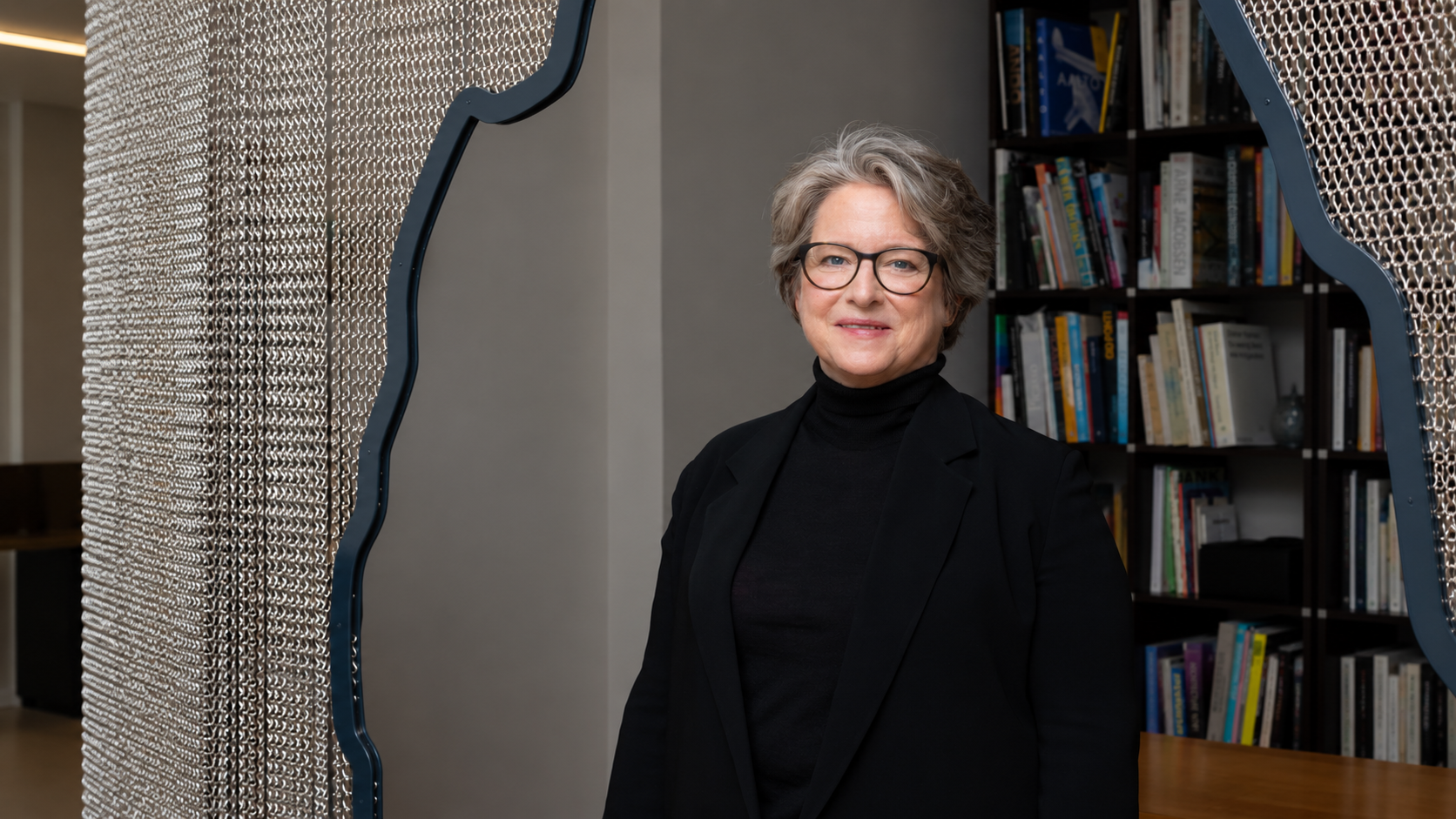
For more than three decades, Esther Schipper has been shaping the international contemporary art landscape. Since founding her gallery in Cologne in 1989 and relocating it to Berlin in 1997, she has built one of the most influential gallery programs in Europe, representing leading conceptual artists and emerging voices alike. Today, with locations in Berlin, Paris, Seoul, and New York, Esther Schipper exemplifies a new generation of globally connected galleries, where artistic excellence is complemented by international reach, digital engagement, and strong institutional networks.
In this interview, Esther Schipper shares her perspective on artistic value beyond market prices, the evolution of collector behavior, the development of sustainable artist careers, and the challenges of protecting artworks in an increasingly global art world. She offers valuable insights into how galleries can balance accessibility, visibility, and stewardship while remaining committed to artistic vision and long-term relevance.
You operate at the intersection of artistic vision and market dynamics. How do you assess the value of the works you exhibit, and what ultimately determines your selection of artists?
In my view, the value of art is not measured by its price tag, but rather by its relevance and longevity. Content always comes first. Great art transcends market cycles and, at times, even sparks broader societal discourse. Since 1989, we have therefore remained committed to championing the uncompromising visions of our artists rather than focusing solely on commercial considerations.
When developing an artist’s profile, which factors do you consider most crucial for building market presence and ensuring long-term success?
The development of a sustainable artistic profile is highly complex and multifaceted. The strength and originality of an idea are certainly essential, as is its relevance within the institutional discourse. This development does not take place within our gallery alone. It is a collaborative process involving the artists themselves, the other galleries representing them, and, of course, the institutions we consider as strategic partners in supporting their careers.
Have you observed significant changes in collector behavior in recent years? What characterizes a confident purchasing decision today?
The flow of information between artists and collectors has become much more direct, particularly through Instagram and other social media platforms. This development is the result of many years of gallery work, during which one of our goals was to reduce barriers and foster meaningful exchange between artists and collectors.
Collectors today are no longer simply buyers; they are conversation partners, often engaging directly with artists. As a result, younger and newer collectors are significantly better informed than they were ten years ago. They no longer visit galleries primarily to gather information, but increasingly to gain context and a deeper understanding of the work.
In your experience, what distinguishes a strong and sustainable gallery program in today’s highly competitive art market?
A substantial gallery program is defined by its long-term commitment to artists over decades, while continuously introducing new artistic positions. It is not built around following short-term market trends.
My experience has shown that it is the bold and uncompromising artistic positions that ultimately attract meaningful institutional attention. We are not interested in chasing short-lived hype. Instead, we focus on the continuous development of artistic practice. To support this growth globally, we present our artists at the most important international art fairs while also leveraging our locations in Berlin, Paris, Seoul, and New York to strengthen local networks and relationships directly on the ground.
In your daily work, artworks are constantly in motion. They are transported, installed, and reinstalled. Where do you see the greatest risks, and what is most important to ensure optimal protection of the works?
The transportation of artworks is a fundamental part of gallery life, but it is also the moment when an artwork is at its most vulnerable. Art needs to travel in order to reach audiences elsewhere, and maintaining that global circulation is essential.
When moving works between our locations in Berlin, Paris, and Seoul, or when preparing for major international art fairs, the greatest risks arise at the physical transition points: loading, unpacking, and installation. The most common threats stem from small oversights, often caused by time pressure or unexpected logistical challenges. For works made of particularly fragile materials, uncontrolled fluctuations in temperature and humidity during transit can present additional risks.
How do you strike a balance between making art accessible to the public and ensuring that works are adequately protected from potential risks?
For many of the artists we represent, accessibility is not merely desirable; it is a fundamental condition of the work itself. Many artworks only fully exist through the visitor’s physical presence, movement, or participation within the space.
For this reason, we do not view the public as a potential risk factor, but rather as an integral part of the exhibition experience. The protection of artworks is therefore achieved in subtle ways. Thoughtful exhibition design intuitively guides visitor movement without relying on prohibitive signage. At the same time, we work closely with artists to ensure that technical safeguards remain largely invisible and that conservation parameters such as lighting, temperature, and humidity are carefully controlled behind the scenes. This allows visitors to engage with the works freely, while preserving both the visual and physical integrity of the artworks.